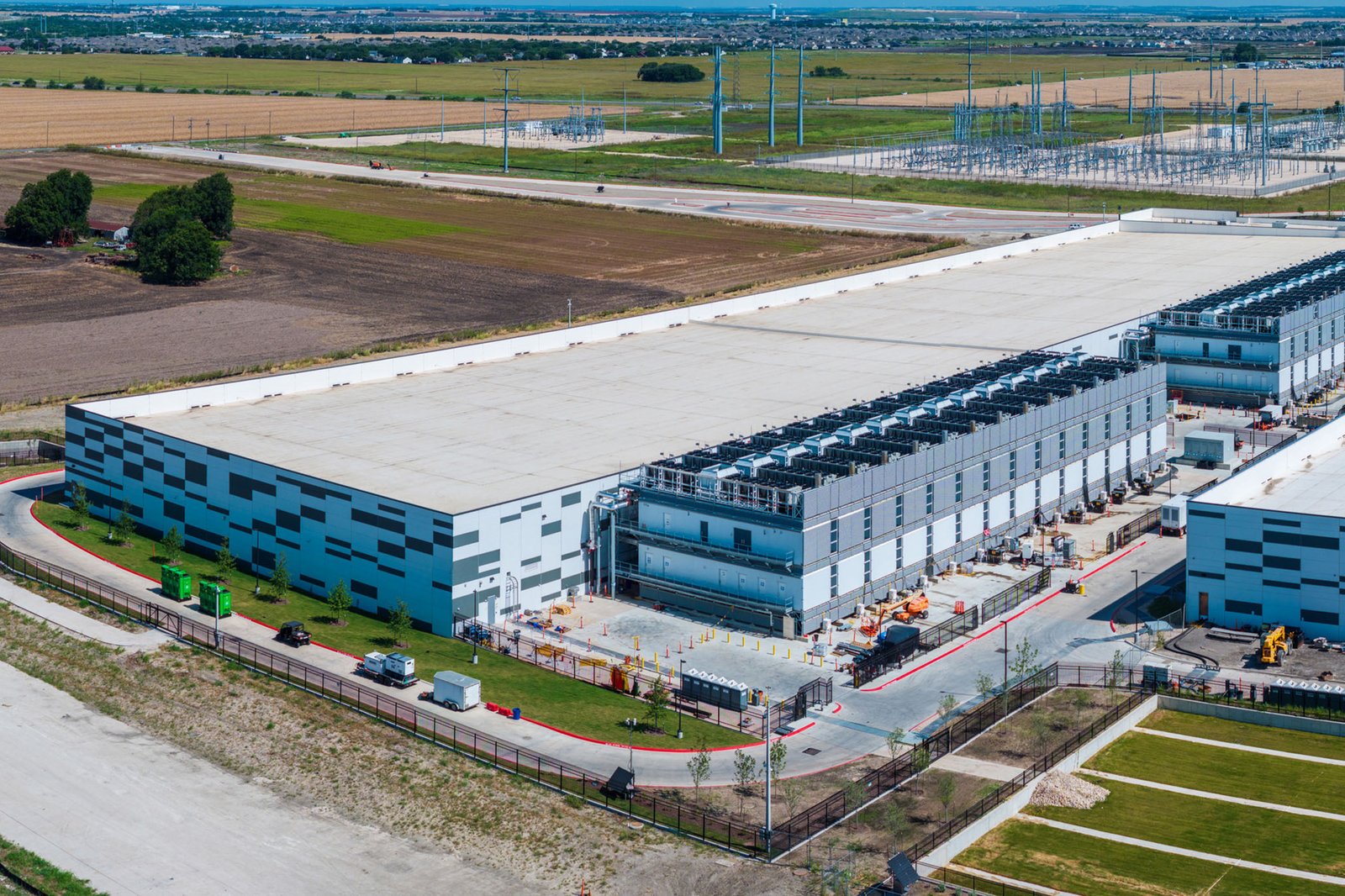




Building a data center in 2026 is a marathon, not a sprint, with industry estimates that it takes three to six years to move from site selection to the go-live milestone.
Hurdles during that timeframe include financial backing, land acquisition, permitting approvals, energy needs and infrastructure procurement, along with the work of swaying public opinion. But one obstacle is often overlooked: finding the skilled workforce to complete and staff the data center.
As the publication Staffing Industry Analysts put in a June 2026 article, “Data Center Boom Hinges on Workforce Supply”:
“The potential benefit of a data center is huge, but it’s not automatic,” Josh Wright, executive vice president of growth at Lightcast, said in the article. “Just like you need the electrical infrastructure to build one of these facilities, you also need the workforce infrastructure.”
A Widening Gap
The growth of AI and hyperscale data centers is creating thousands of new jobs, most of them in the construction phase, but projects are competing for workers in an economy already short on skilled trades as older workers retire.
The numbers back that up. Lightcast tracked a 23% jump in global job postings for data center construction roles between September 2025 and February 2026 compared with the prior six months, with postings roughly doubling over the past two years. Demand for data center technicians and engineers rose by a similar margin over the same period.
“When a company is trying to hire an electrician for a data center project, they’re competing against other data centers, other construction developments and also commercial and residential projects who all need an electrician,” Wright said. “You can’t generate any economic growth from a data center if you can’t find the workers to build one.”
That competition compounds a broader skills gap. According to a study by Deloitte and the Manufacturing Institute, the U.S. manufacturing sector alone could face as many as 1.9 million unfilled jobs by 2033 if workforce shortages persist, the Atlanta Journal-Constitution reported in June 2026. These labor shortages have emerged in construction, health care, transportation and other technical fields, not just data centers, which makes competition for the same pool of workers even more intense.
Where the New Jobs Are
The roles opening up span far more than IT. They include:
-
Construction and skilled trades: Electricians, HVAC technicians and equipment operators who build and maintain the physical facility
-
Fiber optics and structured cabling: The technicians who design and install the connectivity backbone
-
Engineering: Mechanical, electrical and power systems specialists who keep facilities running at scale
-
Operations: The round-the-clock staff who monitor uptime, cooling and capacity
-
Cybersecurity: Protecting increasingly valuable and targeted infrastructure
-
Project management and sales: Coordinating the complex, multi-vendor builds hyperscale projects require
Workers already in adjacent fields have a head start. Lightcast’s research points to systems support specialists, network analysts, telecommunications field technicians and utilities and power distribution engineers as strong feeder roles, meaning existing skills often transfer with targeted training in areas like electrical systems, networking hardware and site operations.
One troubling sign: Lightcast found that “data centers” appeared in 32% of global job postings for these roles between January 2024 and January 2026, but in only 7% of relevant workforce profiles. A similar gap showed up for “data center operations” (16% of postings versus 6% of profiles) and “electrical engineering” (11% versus 3%). Across the board, the roles employers are posting for are not the skills showing up in the available talent pool.
Reaching the Next Generation
Closing the gap starts well before graduation. SkillsUSA, a national organization that serves more than 444,000 career and technical education students and teachers across 130 in-demand occupational areas, from 3-D animation to welding, says America is at a crossroads on skilled labor essential to building, protecting and powering the country.
“For too long, the national narrative has implied that a four-year degree is the only path to success,” wrote SkillsUSA Executive Director Chelle Travis in ConnectComm Magazine in April 2026. “Now, we must illuminate the full spectrum of high-value postsecondary opportunities – from certifications, non-degree credentials and apprenticeships to community and technical colleges, as well as bachelor’s degrees and beyond. Our economy depends on it.”
Travis says the skills gap isn’t abstract. In the construction sector alone, 92% of firms report difficulty filling positions, according to a survey by the Associated General Contractors of America and the National Center for Construction Education and Research.
The bottom line is that skilled trades still depend heavily on human expertise that AI and automation have not been able to replace. And the advancement of AI and automation will only move forward with a younger generation of skilled workers trained and in place.
Building In-House Pipelines
Reaching students early is only part of the answer. The industry also needs structured paths for people already in the workforce and some of the most effective programs are being built by employers themselves.
Hexatronic Group company Light Brigade offers a strong example. In 2024, the fiber optic training provider launched the Light Brigade Broadband Academy, a program built specifically for the fiber-to-the-home market and timed to the workforce demands created by the federal BEAD program. The academy is structured around three progressive credentialing tracks: a technician curriculum for field installers and engineers new to FTTH, a professional curriculum for those designing and managing broadband networks and a specialist curriculum built around focused, hands-on workshops. Rather than a single certificate, it gives technicians a defined path to grow from entry-level installation work into recognized expertise.
That kind of structured, employer-driven training is what the industry needs more of. Broader efforts, including community college partnerships, apprenticeships and employer-sponsored academies, are giving people without a traditional four-year degree a real path into skilled, well-paying data center and broadband careers.
A Shared Responsibility
The talent shortage isn’t a problem any single company can solve alone. It will take continued collaboration between employers, trade schools, community colleges and industry associations to build a pipeline that can keep up with demand. The data centers of tomorrow will be built by the people who choose to enter this field today and the industry has real work to do to make sure they know these opportunities exist.
For companies and technicians looking to close that gap firsthand, Light Brigade’s Broadband Academy offers a proven place to start.