


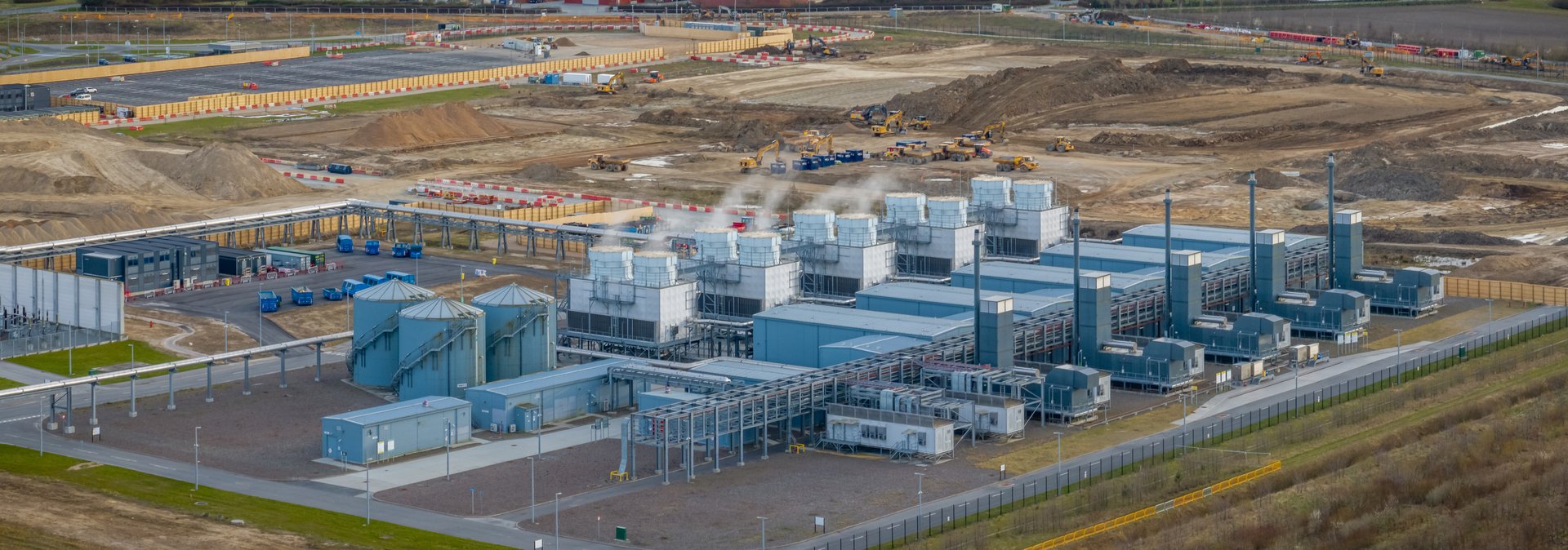
When people think about critical infrastructure, they often picture highways, airports, power plants, hospitals, or water systems. Yet one of the most important pieces of infrastructure in today's world is often overlooked: the data center.
As artificial intelligence, cloud computing, remote work, streaming services, healthcare technology, financial systems, and smart devices continue to expand, data centers have become the backbone of modern life. Despite this reality, data centers are increasingly facing criticism over their environmental impact, energy consumption, and community footprint.
The truth is far more nuanced.
Like any major infrastructure project, data centers require resources and thoughtful planning. However, many of the claims circulating online fail to acknowledge the tremendous economic, technological, and societal benefits these facilities provide. Rather than viewing data centers as an environmental threat, communities should recognize them as a necessary part of the digital economy and a critical investment in the future.
The Infrastructure Behind Everyday Life
Most people interact with data centers dozens, if not hundreds, of times each day without realizing it.
Every online purchase, video call, bank transaction, healthcare record, streaming service, GPS route, and AI-powered application relies on data center infrastructure. Even something as simple as checking the weather on a smartphone requires servers operating behind the scenes.
In many ways, data centers have become as essential as electrical substations or transportation networks. Modern cities, businesses, schools, hospitals, and government agencies simply cannot function without them.
As demand for digital services continues to grow, communities require additional data center capacity to support that growth. The expansion isn't happening because companies want more buildings. It is happening because society increasingly depends on digital technology.
Supporting the AI Revolution
Artificial intelligence has quickly moved from a futuristic concept to a practical business tool.
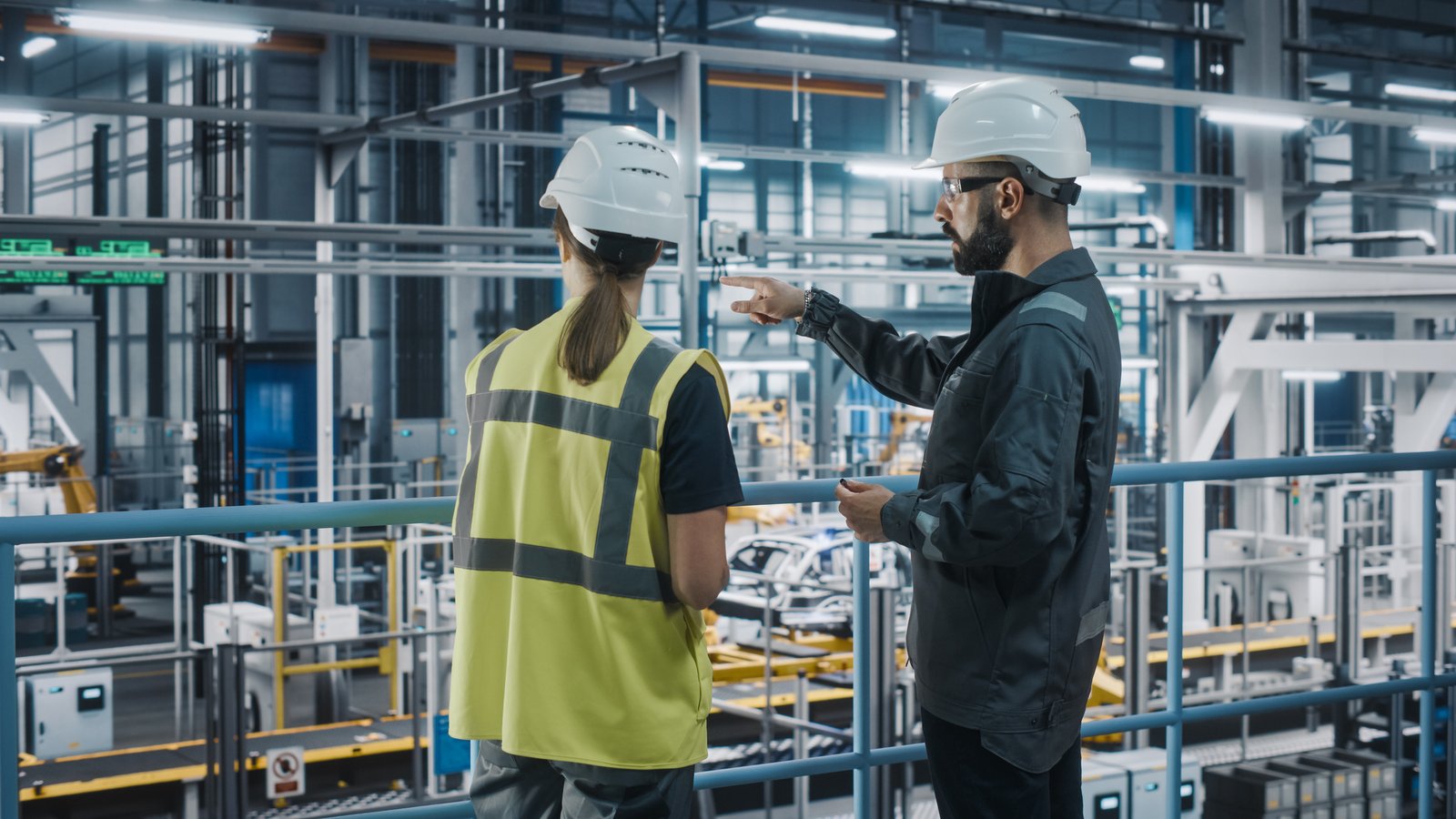
AI is helping doctors analyze medical images, manufacturers optimize production lines, logistics companies improve supply chains, and businesses automate repetitive tasks. It is also driving innovation across nearly every industry.
None of this is possible without data centers.
The computing power required to train and operate AI models is substantial, and that processing must occur somewhere. Data centers provide the secure, reliable environment necessary to support these technologies.
Countries around the world are actively investing in AI infrastructure because they recognize its economic importance. Communities that embrace data center development position themselves to participate in this next wave of technological growth rather than watching it happen elsewhere.
Creating Jobs and Economic Opportunity
One common misconception is that data centers provide little value to local economies.
In reality, data center projects generate significant economic activity throughout their lifecycle.
Construction projects create opportunities for electricians, fiber technicians, engineers, contractors, project managers, equipment suppliers, and numerous skilled trades. Once operational, facilities require technicians, facility managers, security personnel, network specialists, maintenance teams, and support staff.
Beyond direct employment, data centers often attract complementary businesses and technology investment to the surrounding area. They can become anchors for broader technology ecosystems that create additional jobs and economic development opportunities.
For many communities, data centers also contribute substantial tax revenue that can help support schools, infrastructure improvements, public services, and local development initiatives.
Understanding Land Use: What Would Be Built Instead?
When residents oppose a data center project, it is worth asking an important question:
What would occupy that land if the data center were not to be built?
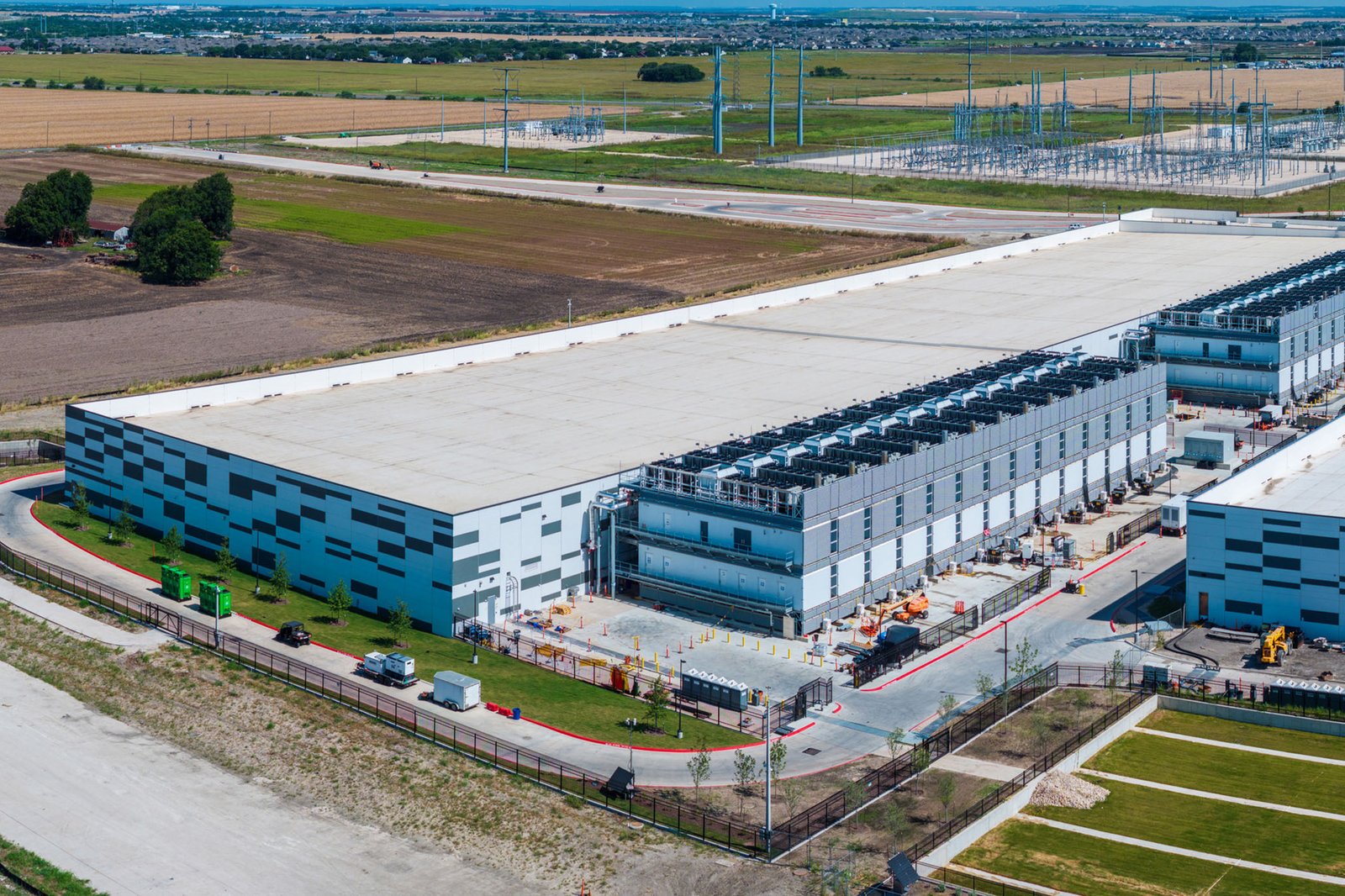
In many cases, alternative developments could include manufacturing facilities, distribution centers, industrial operations, large retail developments, or warehouse complexes. These projects often generate comparable or even greater traffic, emissions, noise, and infrastructure demands.
A modern data center typically operates with relatively low traffic volumes once construction is complete. Unlike large commercial developments, they do not attract thousands of daily customer visits, extensive parking requirements, or continuous truck traffic.
While every project should be evaluated individually, data centers are frequently less disruptive than many alternative industrial or commercial uses that could occupy the same property.
Debunking the Water Usage Myth
Water usage has become one of the most discussed concerns surrounding data centers.
While some facilities use water-based cooling systems, claims that data centers are "draining communities dry" often lack context.
Modern operators continue investing in more efficient cooling technologies, water recycling systems, and alternative cooling approaches designed to reduce consumption. Many facilities use a fraction of the water consumed by other industries: agriculture, landscaping, or recreational facilities within the same region.
This doesn't mean water use should be ignored. It means the conversation should be based on facts, local conditions, and engineering solutions rather than broad assumptions.
Energy Consumption Requires Context
Another common criticism centers on energy use.
Yes, data centers consume electricity. They are designed to process and store massive amounts of digital information. However, focusing solely on consumption misses the larger picture.
Hospitals consume electricity. Manufacturing facilities consume electricity. Airports consume electricity. Grocery stores consume electricity.
The question is not whether infrastructure uses energy. The question is whether the value provided justifies that energy use.
Data centers enable nearly every aspect of modern commerce and communication. They support businesses, healthcare systems, educational institutions, government agencies, and millions of consumers.
Additionally, the growth of data centers is helping accelerate investment in renewable energy generation, battery storage, grid modernization, and power infrastructure improvements. Many operators are actively pursuing cleaner and more efficient energy strategies to support long-term sustainability goals.
Communities Need Digital Infrastructure to Thrive
Imagine a city deciding it no longer wants additional roads, electrical infrastructure, or water systems because they consume resources.
Growth would stop.
The same principle applies to digital infrastructure.
As populations grow and technology becomes more integrated into everyday life, communities need expanded capacity to support connectivity, innovation, and economic development. Data centers are no longer optional facilities serving a niche industry. They are foundational infrastructure supporting modern society.
Without them, businesses cannot operate efficiently, remote workers cannot stay connected, healthcare systems cannot access critical information, and emerging technologies like AI cannot reach their full potential.
Building Responsibly for the Future
The conversation surrounding data centers should not be framed as a choice between economic progress and environmental responsibility.
The best path forward is responsible development.
Modern data center operators are investing heavily in energy efficiency, sustainable design, renewable energy procurement, advanced cooling technologies, and community engagement initiatives. Communities, developers, utilities, and policymakers all have a role to play in ensuring growth occurs responsibly.
When done correctly, data centers can support both economic prosperity and environmental stewardship.
The Backbone of Modern Society
Data centers are not simply buildings filled with servers. They are the digital backbone of modern society.
They support innovation, enable artificial intelligence, create jobs, generate economic activity, strengthen local infrastructure, and power the technologies people rely on every day.
Like roads, utilities, hospitals, and manufacturing facilities, data centers consume resources because they provide essential services. The goal should not be to stop progress but to ensure it is implemented thoughtfully and sustainably.
As communities evaluate future development opportunities, data centers deserve to be viewed not as environmental villains but as critical infrastructure helping build the connected world of tomorrow.
Ready to support the next generation of digital infrastructure? Hexatronic Data Center delivers the connectivity solutions that help power reliable, scalable, and future-ready data center environments. Contact our team to learn how we're helping build the networks behind tomorrow's technology.